

Just when you think your dinner rush, peak class, or treatment chair is the point, the real money’s in the extras – memberships, retail, follow-ups and data. You can mine untapped revenue from upsells, subscriptions and simple retention tactics; or you can watch customers drift away. Want proof? Small fixes often mean big lifts. So why aren’t you doing them yet? Because it’s easier to ignore than act – but that hurts the bottom line.
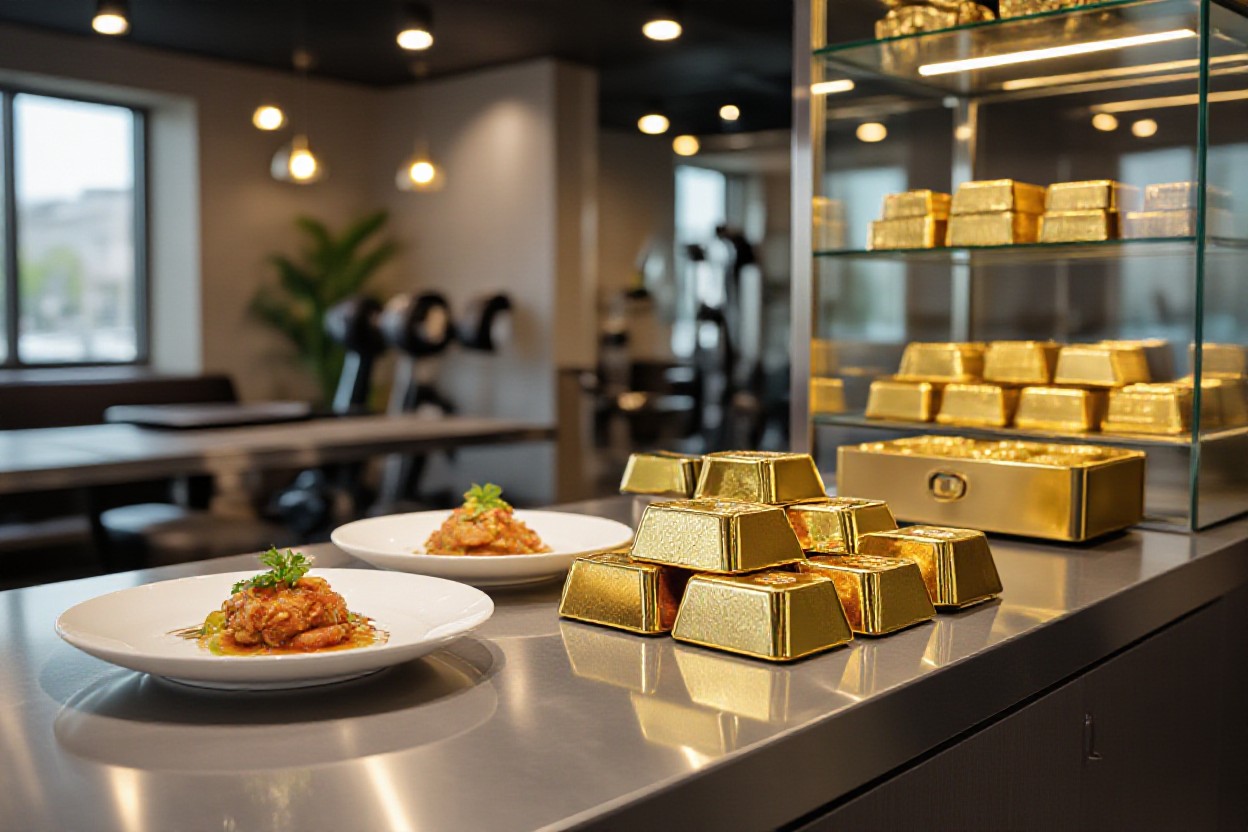
Key Takeaways:
- People think restaurants, gyms and med spas are stuck selling one-off services – that’s not true. You can lock in steady cash with memberships, subscriptions and prepaid packages; they turn flaky walk-ins into predictable income. Want stability? Build a recurring model and watch margins smooth out.
- Many assume customers won’t pay for extra stuff like add-ons or VIP access. Wrong – people pay for convenience and status all the time, you just gotta make it feel effortless and worth it. Upsells win.
- Folks say tech is too expensive or too nerdy for small ops. Nope – simple tools for booking, POS and automation pay for themselves fast, and they cut headaches. Automate the boring stuff so staff can do what humans do best – connect and sell.
- Some believe staffing limits growth, like you need a dozen hires to scale. Not true, you can optimize shifts, cross-train, use contractors and partner with local businesses to expand reach without hiring a bunch. Hire smart – not more.
- People think marketing has to cost a ton to work. It doesn’t – local SEO, email blasts, loyalty programs and word-of-mouth still crush paid ads if you do ’em right. Small bets, test fast, double down on winners.
- There’s a myth that regulations and liability make med spa expansion impossible. You can scale safely with clear protocols, proper training and solid documentation; compliance isn’t a roadblock, it’s a checklist. You can scale safely.
- Many believe in-person services are dead after the pandemic. Nope – demand bounced back, but clients want flexibility too, so mix in virtual consults, home-delivery products and hybrid offerings. Be where your customers are and make saying yes easy.
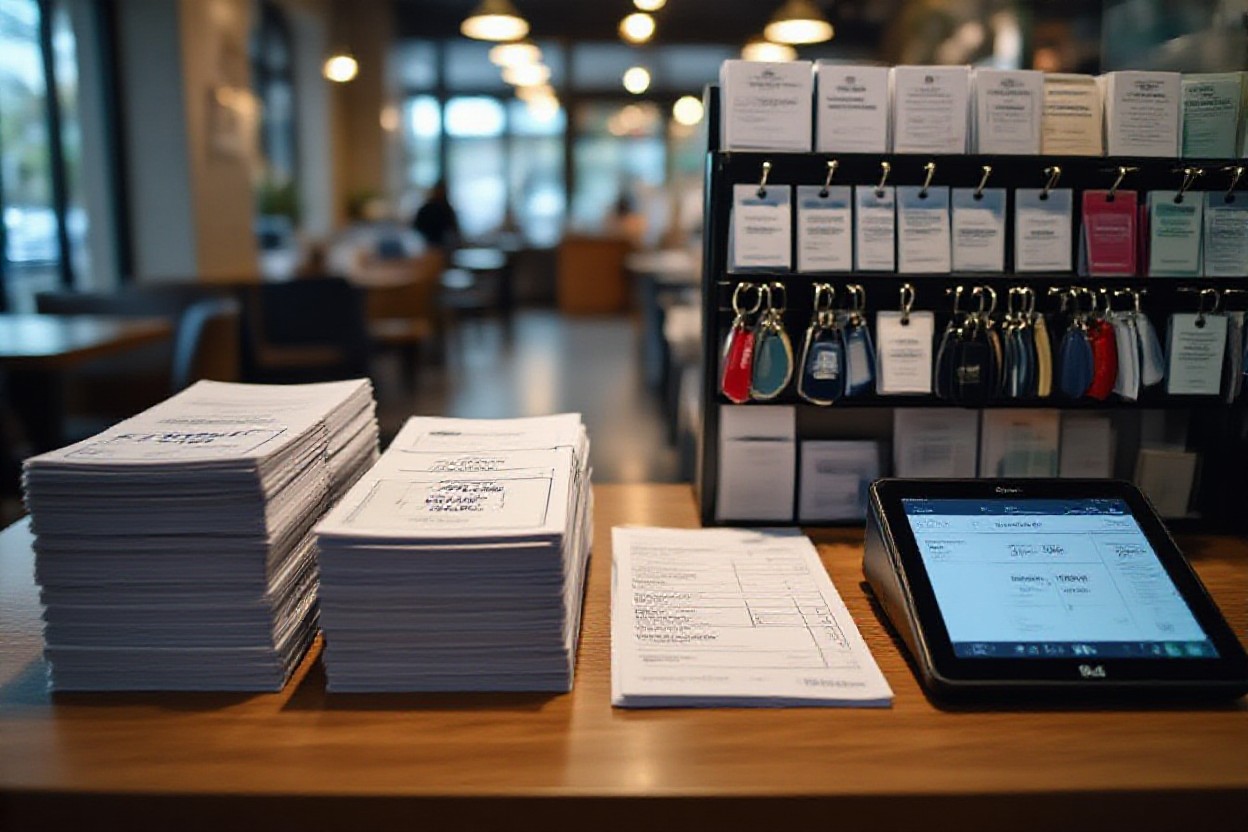
Why Repeat Customers Are a Goldmine
Repeat customers are where your real profit lives. A mere 5% boost in retention can lift profits by 25-95%, and you’ve got a 60-70% shot of selling to an existing customer versus 5-20% for a new lead, so you see why this matters. For restaurants, gyms, and med spas that means steady revenue from fewer marketing dollars, predictable booking cadence, and rising lifetime value as the same customers keep spending on services, upgrades, and add-ons.
The Power of Loyalty
Loyal customers give you predictability and margin you can actually plan on. You can push average spend up with simple nudges – think tiered rewards, member-only pricing or bundled packages – and watch frequency climb; members often visit restaurants or gyms 2-3x more than one-offs. Plus, when loyalty cuts your churn, your payback window shortens and you stop burning cash on constant acquisition.
What Makes Them Come Back
Consistency, convenience, and perceived value win repeat visits. When your service quality is steady, appointments are easy to book, and follow-ups or targeted offers land in the right moment, clients keep returning. Med spas that automate post-treatment messages and rebooking reminders, gyms that give personal progress check-ins, and restaurants that personalize offers after visits all see higher rebook and spend rates.
You win by building predictable touchpoints that nudge behavior. Test a 10% or $25 incentive for next visit, run a 3-tier loyalty program, automate SMS reminders 48 hours after service, and pre-sell packages for repeat appointments – small moves that stack. Track customer lifetime value and rebooking windows by segment, then double down on the channels and offers that raise frequency and per-visit spend.

What Happens When You Don’t Keep in Touch?
?What if silence from you is quietly draining profit? Your repeat visits fall, cross-sells vanish and referral streams dry up – and that’s where the real damage starts. Because acquisition costs more than retention: Bain says replacing customers can be up to 5x pricier, and HBR shows a 5% bump in retention can lift profits 25-95%. So a little neglect equals measurable revenue loss, fast.
The Cost of Losing Connection
?How much does ghosting your base actually cost you? Losing customers forces you into expensive marketing – if you drop 100 clients and spend $50 to win each back, that’s $5,000 plus lost upsells. Gyms and spas see signup costs and ad spend climb when churn rises. And because retention moves margins, even small slippage can turn profitable months into break-even ones.
How Forgetting Your Customers Hurts
?Why do busy dining rooms still feel like missed opportunity? When you stop checking in, your lifetime value shrinks, appointment gaps widen and bad experiences spread faster. You lose repeat spend, fewer people try add-ons, and word-of-mouth dries up – all hitting your top line. Neglect breeds churn, and churn bleeds predictable revenue.
So what does that look like in numbers? Say you run a med spa with 1,000 active clients, average ticket $150 – a 10% drop in repeat visits costs you about $15,000 every cycle. And that’s just short-term cash – long-term brand erosion follows, making recovery slower and more expensive than staying engaged in the first place.
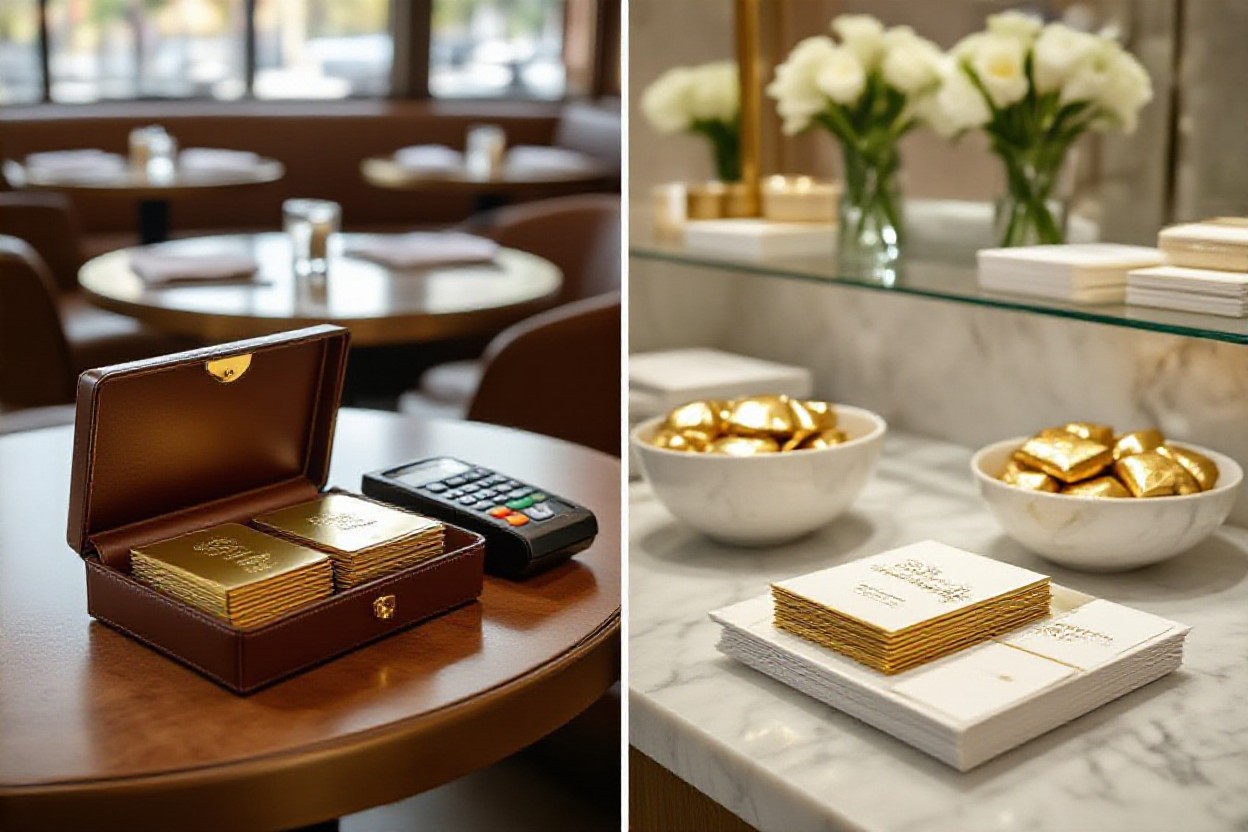
How CC Re-engages Buyers
Most buyers just need one smart nudge to come back. You can recover lapsed customers by combining timely SMS and email sequences, loyalty triggers, and targeted promos – studies show SMS often has open rates near 98%, so a quick text with a one-time offer works. Use timing: reach within 7-10 days after inactivity and personalize by last purchase or service; that alone can lift return rates by 15-30%. Small effort, big ROI.
Smart Strategies that Work
Three-step re-engagement beats one-off blasts. You should start with a friendly SMS, follow with a personalized email referencing the customer’s last visit, then send a time-limited incentive – many businesses see the best results when the third touch includes a 20-40% value add or free add-on. Segment by spend and visit frequency, run A/B tests on subject lines and send times, and treat high-value clients with human follow-up to lift conversion.
The Role of Technology in Re-engagement
Automation and smart data turn tactics into repeat revenue. You want your CRM to trigger workflows based on visit gaps, spend, and service type; AI can predict churn and flag who to prioritize, and APIs tie SMS, email, and POS so incentives auto-apply at checkout. With the right stack you can scale personalized outreach without hiring more staff – that scalability is where you see the margin expansion.
Integrations are the multiplier – they make data useful. Sync bookings, POS, and reviews so a missed appointment fires a recovery flow, or a VIP client gets a concierge text; two-way SMS lets you rebook within minutes, dynamic coupons update at checkout to prevent misuse, and predictive models help you focus the top 20% of customers who drive 80% of spend. Want proof? Gyms and med spas tying app data to CRM often report recovering thousands in revenue within weeks when these flows run right.
Real-Life Examples from Restaurants, Gyms, and Med Spas
You’re staring at a playbook full of wins. A neighborhood restaurant turned a $5 weekly membership into a steady 18% lift in weekday covers over six months, a boutique gym cut churn by 25% after app-driven challenges, and a med spa boosted filler revenue by 40% with targeted SMS bundles-so you can steal these ideas, adapt them to your floor plan or appointment book, and see measurable upside fast.
Success Stories That Inspire
Small bets, big payoffs. One fast-casual spot launched a $10 weekly meal plan that drove 15% more recurring revenue, a gym added a refer-a-friend program and saw sign-ups jump 30% in 90 days, and a med spa’s membership for injectables increased average spend per visit by 35%-you ask why not test a single offer for 60 days and compare results?
Lessons Learned Around the Industry
Not every experiment wins, and that’s okay. Heavy discounts can erode margins-one operator lost 12% margin from blanket promos-while tech without staff buy-in fizzles, and sloppy tracking gives you garbage decisions; you need simple KPIs, frontline training, and pricing guardrails to avoid costly mistakes.
Focus on measurement and staffing above gimmicks. Track three KPIs – retention, AOV, CAC – use a weekly dashboard, run A/B tests with control groups, cap discounts at about 10% to protect profit, and give staff a 30-minute onboarding on any new offer so you actually execute; do this and you’ll turn experiments into reliable growth.
Do You Qualify for This Approach?
Compared to traditional marketing, this approach rewards businesses with predictable revenue, but you need the right foundations: you should have an average transaction value of at least $40, a return frequency of 2+ times per year, and a 20%+ repeat customer rate. If your margins exceed 30% and you’re already capturing emails or phone numbers for over 500 customers, you can test a membership or subscription model and often see ROI within 3-6 months.
Signs You’re Sitting on a Goldmine
Unlike places fighting for one-off sales, you’ve got indicators that scream opportunity: long waitlists, steady weekly bookings, or a repeat rate that’s climbing. If your average ticket is above $50, your newsletter open rate tops 20%, or local reviews drive steady referrals, you’ve got leverage. One med spa converted 15% of walk-in leads into memberships and posted a 35% revenue lift in six months.
Quick Checklist: Are You Ready?
Compared to businesses still guessing, you should be able to answer yes to core operational questions: do you reliably track customer data, can you deliver a repeatable experience, and do you have margin room for introductory offers? Aim for a contact list ≥ 500, average margin > 25%, and churn under 5% monthly. If you check most boxes, pilot a small program.
Compared to vague plans, your pilot needs concrete steps you can measure: you capture contacts via POS or web forms, you segment by visit frequency and spend, then you run a 6-8 week pilot priced at a 15-25% introductory discount. You track cost-per-acquisition and LTV in real time; if your LTV is about 3x acquisition cost, you’ve got a green light to scale. One gym used this exact sequence to lift paid retention from 18% to 42% in four months.
Final Words
Presently you’re in a corner booth watching a chef send out a packed dinner, gym members high-fiving after class and a med-spa client stepping out glowing, and it hits you that all three are sitting on a goldmine – seriously. You can package your experiences, subscriptions, add-ons, memberships, upsells, cross-promos; it’s low-hanging fruit if you move fast. So what’s stopping you? Start small, test, scale, and watch revenue stack up. You’ll kick yourself later if you don’t.
FAQ
Q: What does “Restaurants, Gyms, and Med Spas Are Sitting on a Goldmine” really mean?
A: I was talking to a small Italian place the other day – they were packed at dinner but the owner kept sighing about tight margins. Then he said they sell memberships to a local fitness studio just down the block and the studio drops a weekly list of members for a special menu night. That little cross-pollination? Money.
It means these businesses already have built-in audiences and recurring touchpoints – people who come in regularly, trust the brand, and are open to spending more if the offer’s right. Not rocket science, but most places treat extra revenue like an afterthought.
The goldmine is in recurring value – not one-off transactions.
Q: How can restaurants increase revenue beyond just serving food?
A: A diner owner I know started offering a “prepay weeknight bundle” – pay once, get discounted meals all week. Customers loved the predictability, and the owner loved the cash flow. It was messy to set up at first – coupons, staff training – but it stuck.
Think memberships, meal subscriptions, private events, merch, retail sauces or spice blends, and partnerships with local fitness classes or clinics for healthy-eating promos. Toss in delivery and ghost-kitchen ideas if you want to scale fast.
Offer convenience and exclusivity and people will pay for it.
Q: Gyms seem obvious for upsells, but what’s often missed?
A: I walked into a boutique gym once and the trainer gave me a 10-minute posture check and a tiny take-home plan – free. I came back for a paid session two days later. That’s the low-effort demo that converts.
Gyms sit on member data – attendance, class preferences, progress. Use that to offer targeted personal training, nutrition counseling, recovery services, retail (supplements, gear), and specialty workshops. And don’t sleep on corporate wellness packages – they pay well and stick around.
Small bets on value-first freebies usually pay off big.
Q: What’s the best way for med spas to boost client lifetime value?
A: A med spa in my neighborhood started a simple loyalty card – 10th treatment half off – and mixed in educational evenings about skin health. People came back, brought friends, and posted selfies. Social proof did the heavy lifting.
Package services, upsell maintenance plans, offer skincare product lines, run referral incentives, and create tiered memberships with perks. Clients want results and guidance, so hybrid offers that combine procedures plus at-home regimens convert really well.
Turn one-time treatment buyers into long-term relationships.
Q: What tech or data moves should these businesses prioritize first?
A: A café owner started tracking customers who bought coffee three times a week and sent them a midday snack promo – redemption shot up. It was basic, but effective. You don’t need an enterprise system to start.
Get a simple CRM or POS that captures purchase behavior, automate basic email/SMS sequences, segment customers, and run A/B tests on offers. Collect consent, keep it personal, and iterate. Even small datasets tell you a lot.
Data without action is just noise.
Q: How can these three types of businesses partner together effectively?
A: I saw a weekend pop-up where a gym hosted a post-workout smoothie bar made by a nearby restaurant and a med spa offered quick skin consultations. It felt seamless – people stayed longer and spent more. The partners split revenue and new clients followed.
Create bundled experiences (post-workout meals plus recovery treatments), co-marketed memberships, or referral swaps. Joint events, shared loyalty points, and bundled discounts help all parties win. Partnerships don’t have to be complex – start with a trial run.
Collaborations that add real value for customers win every time.
Q: How do you measure ROI so you know these strategies actually work?
A: A spa I tracked ran a three-month membership test and watched retention and average ticket size. They set simple KPIs and checked weekly – churn, revenue per member, cost to acquire. They tweaked offers fast and doubled profitability in a few months.
Pick 2-4 metrics: retention rate, average revenue per user, acquisition cost, and lifetime value. Run small pilots, measure, then scale what wins. If an offer loses money, pause it and figure out why – pricing, messaging, or targeting.
Measure fast. Fail cheap. Scale smart.