

Sales aren’t just about discounts – it’s a myth that price alone keeps your best customers, because most leave over friction, broken promises or fading relevance. You might think they vanished for no reason, but you can win them back with small, targeted moves that add up. So audit touchpoints, fix the annoying stuff, and offer personalized re-engagement that feels human. Want them back? Start simple, test fast, and don’t wait – the sooner you act, the more revenue you reclaim.
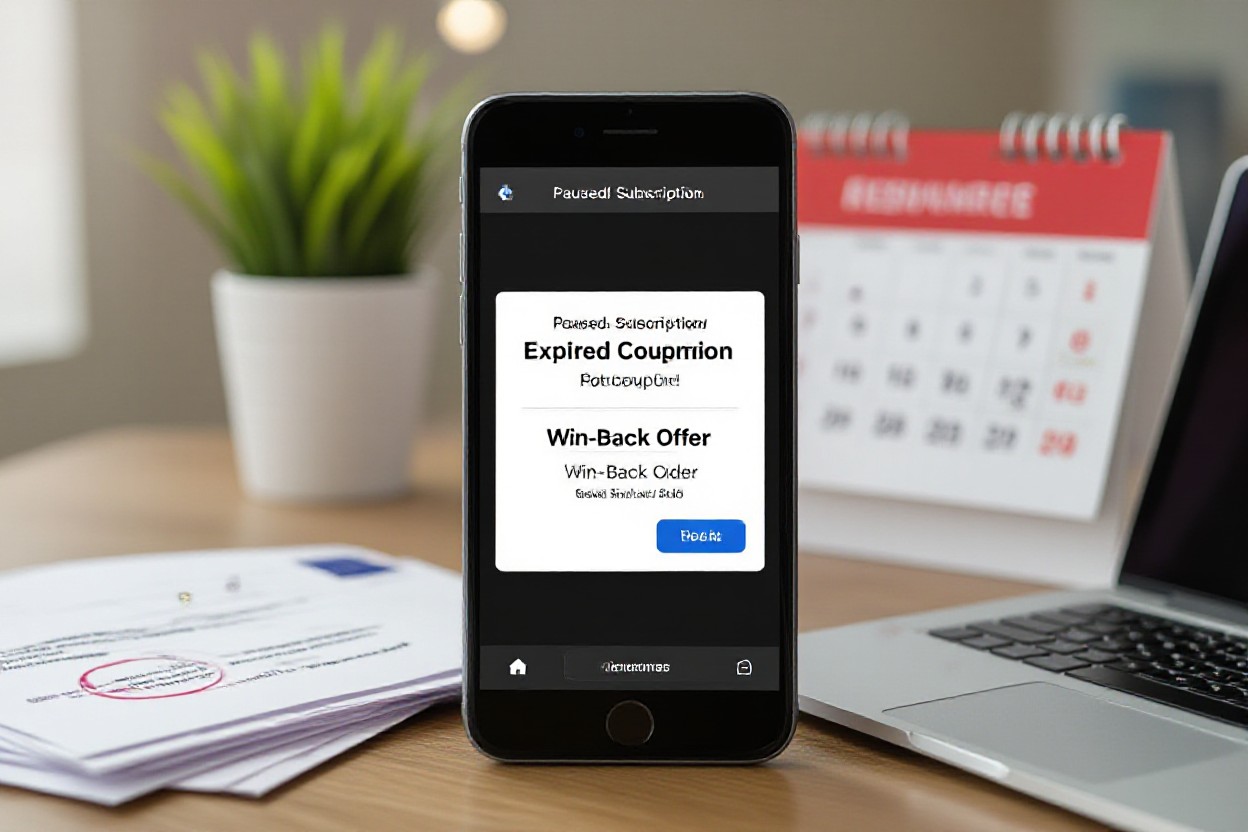
Key Takeaways:
- You run a neighborhood shop and one day you notice your biggest regular – the person who bought the same thing every week – hasn’t shown up in three weeks. It’s weird, right? What did you miss and how fast can you find out?
- Inactive signals are telling you something – opens, visits, carts, calls; it’s all data.
Data trumps guesswork.
So don’t wing it: segment by behavior, time-since-last-purchase, and look for patterns instead of guessing. - Service slip-ups and tiny UX tweaks sink relationships faster than you’d expect. Did you change shipping partners or add extra checkout steps? And if it feels harder to buy, they’ll bail – not out of spite, just friction.
- Customer needs evolve; the hero feature last year ain’t the hero this year. Solve the problem, not sell the feature.
Ask yourself: are you solving today’s problem for them or yesterday’s? - Win-back isn’t just blasting coupons and hoping someone bites – personalize, time it, and actually ask for feedback. But don’t spam them; that just guarantees they won’t come back. Offer something that fixes the exact friction you uncovered.
- Measure wins, test different messages, measure again. Test, learn, repeat.
If one reactivation feels like a win, great – but treat it as a learning opportunity to scale the approach.
What’s Really Going On? The Real Reasons Customers Drift Away
Why they drift
Like a slow leak in a tire vs a sudden blowout, customers often slip away quietly rather than storm out. Most churn isn’t about price – it’s misaligned value, sloppy onboarding, or fading engagement; you might not even notice until revenue dips. Are you tracking 30-day activation and weekly active users? Fixing onboarding and timely touches can move the needle fast. Silent disengagement is the most dangerous signal, and a 5% retention gain can boost profits 25-95%.

Why Discounts Aren’t the Magic Fix
Quick Reality Check
At a small apparel shop I helped, a 20% flash sale stuffed carts, but three months later repeat purchases fell 14% – you saw the spike, then the leak. Discounts can drive short-term volume but hollow out lifetime value, and math is brutal: a 20% price cut requires about a 25% increase in units sold just to hit the same revenue. You’ll end up training customers to wait, cutting margins, and masking product or experience problems – so stop using discounts as a Band-Aid and target the real issues instead.

How AI Personalization Can Seriously Turn Things Around
AI-driven re-engagement
AI personalization can win back lapsed buyers faster than any discount. You can surface the exact product they abandoned, time an email or push within an hour, and use recommendations like Amazon’s – which drives roughly 35% of sales – to pull them back. Triggered messages based on intent boost transactions up to 6x, and A/B tests often show 10-30% conversion lifts, so start with automated scoring, three targeted templates, and a timed cadence you can measure – why wouldn’t you try?
The 5-Day Comeback Sequence: Here’s How to Do It
Day-by-day play
A recent shift: after open rates dipped about 8% last year, brands are compressing winback flows into five days. You start Day 1 with a value-packed reminder, Day 2 show quick social proof, Day 3 hit with a 20% off targeted offer, Day 4 answer objections and Day 5 send a final ‘last chance’ with urgency; space them 24 hours, A/B subject lines and personalization, case studies show reactivation lifts up to 15%. Want results? Test, iterate, and keep it human.
What Should You Do Next? My Take on Regaining Loyalty
Regain Loyalty Fast
Like patching a roof instead of rebuilding the house, you should pick targeted fixes: audit your top 20% who drive 80% of revenue, send a 3-email win-back sequence with a personalized note and a reactivation offer, then follow up with a quick call for high-value accounts; you’ll often recover 10-15% of churned buyers and see 30-40% open rates. Want long-term loyalty? Stop over-discounting, fix onboarding gaps, and give a small exclusive perk – simple, fast, effective.
To wrap up
Considering all points, why did your best customers stop buying and how do you actually get them back? You need to diagnose the why – was it lapsed communication, product fit, price, or a bad touchpoint? Do a quick churn audit, segment them, reach out with tailored value, fix the friction and offer something real that shows you get them. And don’t expect miracles overnight, test, iterate, and you’ll win many back.
FAQ
Q: Why did my best customers suddenly stop buying?
A: A friend of mine ran a coffee shop and one day his regulars just… stopped showing up. He assumed it was a fad, but it turned out a nearby bakery started opening earlier and the morning crowd drifted away – small shift, big impact. First thing to check is whether something external changed – new competitors, neighborhood shifts, a price nudge, or even traffic patterns. Those outside-the-business changes can yank customer habits overnight. Some inside-the-business causes are easy to miss – checkout friction, out-of-stock favorites, or a shift in product quality. Customers tolerate a lot but they don’t forgive repeated friction. If you want them back, start by listening – get feedback, check purchase logs, and map when and where the drop happened.
Important: most defections are fixable if you act fast and with empathy.
Q: Could price changes be the reason my top customers left?
A: I once bumped up prices by a few bucks and thought it was fine – until regulars started grumbling and one by one they stopped visiting. I shrugged it off at first, then checked the data and yeah, price sensitivity was the culprit. Pricing isn’t just a number – it’s a relationship signal. Did you raise prices suddenly? Did you remove discounts or loyalty perks? Small changes feel personal to customers. Ask whether the value perceived rose with the price. If not, you created friction. Offer targeted win-back deals or tiered options so high-value customers don’t feel punished. Put the most generous or personalized offer in front of the folks who gave you the most.
Important: when you change prices, communicate why and give existing customers a transition or special treatment.
Q: How does product relevance fade and what can I do about it?
A: A boutique I follow used to sell retro sneakers and suddenly their Instagram feed looked off – the shoes stayed the same but trends moved on, and so did the buyers. They stopped showing up because the brand stopped matching their lifestyle. Trends shift, needs shift, people age and priorities change – product-market fit is not forever. If your product no longer solves the customer’s current problem, they’ll shop elsewhere. You can re-engage by evolving product lines, bundling, or repositioning – show how what you sell fits into their life today. Ask customers what they’d like next, pilot new ideas, iterate fast. Relevance is won with curiosity and quick adaptation.
Important: use surveys and behavior data to catch fading relevance before it becomes permanent.
Q: Could poor customer service be why they stopped buying?
A: There was this one online retailer I used – friendly brand, great products – until returns became a nightmare and support bounced me around. I left and I told three friends about it too, so yeah service kills loyalty. Bad interactions stack up. One slow response, one rude rep, one unresolved issue – they add friction and shame the relationship. People don’t always tell you, they just stop coming. Train your team, streamline returns and complaints, and track response times. Fixing one high-touch pain point can bring back a bunch of customers. Make it easy to complain and even easier to get made right.
Important: fast, human responses beat canned messages every time.
Q: Did competitors lure them away or was it something else?
A: I watched a local gym lose members when a shiny new competitor opened with a splashy launch – free classes, influencers, neon lights. Some folks left for that novelty, others left for perks – both are avoidable if you react. Competitors will always try to poach your customers. The key is to know whether they left for price, experience, convenience, or status. Run win-back offers that highlight what you uniquely do – personalized coaching, community, long-term trust – not just match freebies. Use exit interviews or churn surveys to pinpoint motives. If competitors win on novelty, lean into depth and relationships – that’s harder to copy fast.
Important: don’t copy your rival’s gimmicks; amplify your strengths and communicate them clearly.
Q: Are email and communication issues a common cause of lost customers?
A: I signed up for a company’s emails and either got drowned in promos or nothing at all – both felt like neglect. Too many emails feel spammy, too few feel like I’m ignored. Segmentation matters – blast emails to everyone kills relevance. Personalize, time messages, and keep the cadence predictable. If you went quiet for months and then spammed them, don’t be surprised they unsubscribed. Re-engagement sequences work – shoot a gentle check-in, offer something useful, and ask what they’d like. Make it obvious how to update preferences. Treat communication like a conversation, not a billboard.
Important: quality over quantity wins – targeted, timely messages beat blanket blasts.
Q: What’s the quickest, most effective way to win back lost high-value customers?
A: One business I helped sent a handwritten note and a tailored offer to their top churned clients – some came back next week, some didn’t, but many did and they talked about the gesture for months. Small, sincere moves still pack a punch. Start with data – who left, when, and what they used to buy. Segment the list and craft offers that match past behavior: discounts for price-sensitive folks, VIP service for relationship buyers, new-product previews for trend-chasers. Use a mix of channels – email, phone, even a personal message from the founder if it fits. Test different approaches and double down on what’s working. The fastest wins are personal, limited-time, and solve the reason they left.
Important: prioritize your top-lifetime-value customers first – they give the best return on win-back efforts.